Portraits
Abby Lee Brazil
From Belo Horizonte to the spotlight.
Abby Lee Brazil
The person behind the name
Abby Lee Brazil is a Brazilian performer, model and dancer from Belo Horizonte, the capital of Minas Gerais.
She began her screen career in 2014 and later moved to Los Angeles. Her professional life developed across filmed productions, modelling and live appearances.
The Brazilian identity in her public name remains a clear thread through that international career. Her story moves between the camera, the stage and conversations with audiences.
Abby Lee Brazil: stage and screenBrazil, carried in a name
Belo Horizonte is the starting point of Abby Lee Brazil’s public biography. Her professional name keeps that connection visible even as her career moves through international production settings. It is a simple, recognisable link between a Brazilian background and a name encountered by audiences abroad.
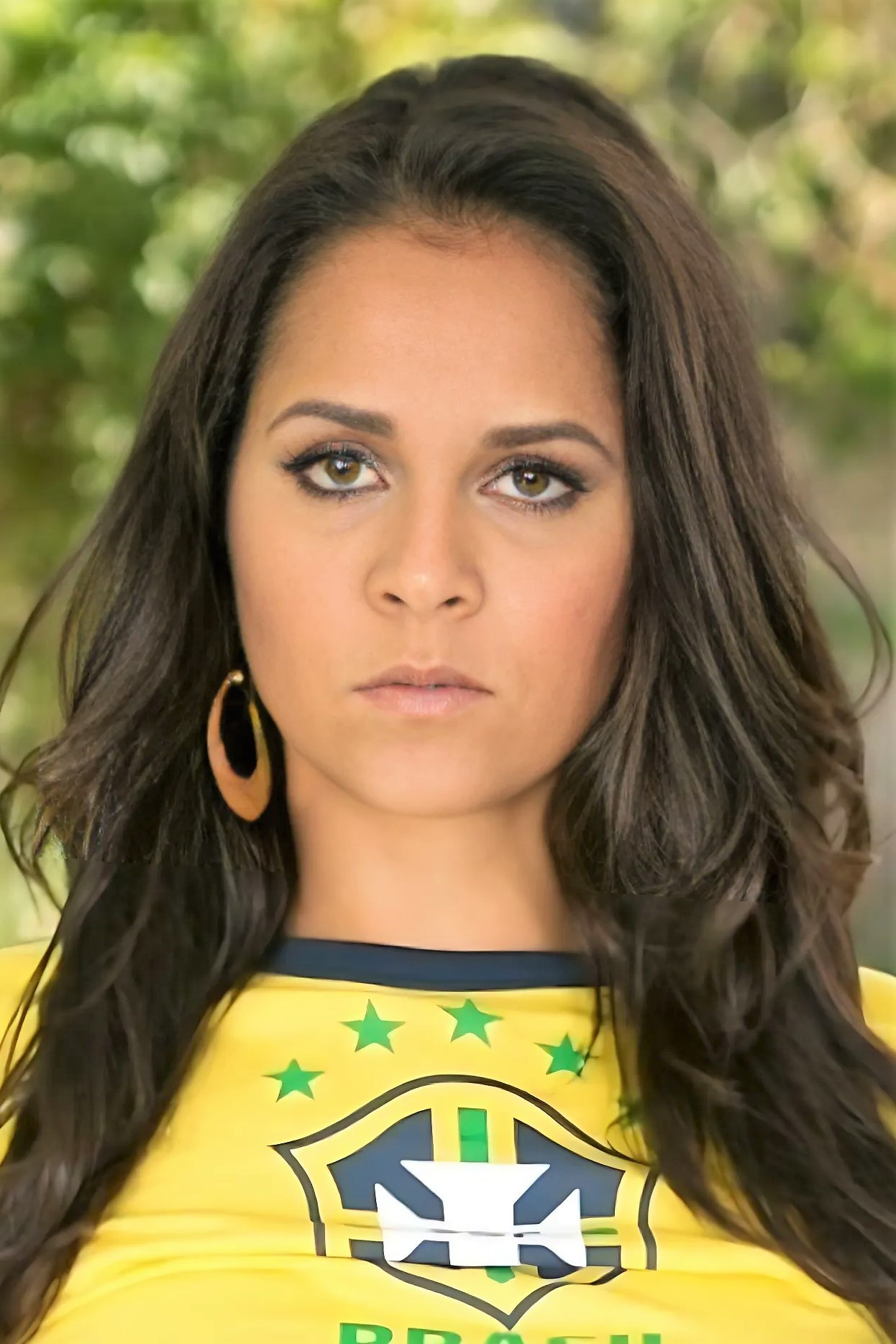
The portrait in yellow and green gives that thread a visual form. A football-inspired top, dark trim and gold earrings bring together national colour and a straightforward head-and-shoulders composition. The photograph does not need an elaborate setting: its character comes from the combination of colour, clothing and a direct gaze.
The music around the performance
One documented stage appearance gives an unusually concrete glimpse of Abby’s working world. The music included Rihanna and Drake’s “Work”, Future and The Weeknd’s “Low Life”, and Desiigner’s “Panda”. The selection placed contemporary pop, R&B and hip-hop beside the live movement on stage.
A soundtrack shapes the pace of a performance before an audience notices individual details. Those selections offer a useful way to imagine that setting: recognisable voices, contrasting rhythms and music that belonged to its moment. They describe one performance, rather than a claim about her permanent favourites or private listening habits.
The moments between appearances
For Abby, a live appearance has also included time away from the stage: signing, posing for photographs and talking with people who came to meet her. She has spoken about enjoying the opportunity to connect with audiences in different cities, making travel part of that public-facing work.
Those moments add a different texture to a screen career. A finished production can be watched at a distance; a conversation happens in the same room. The encounters around an appearance help explain why dance, touring and audience contact became their own chapter alongside her filmed work.
Portraits
A portrait in warm colour
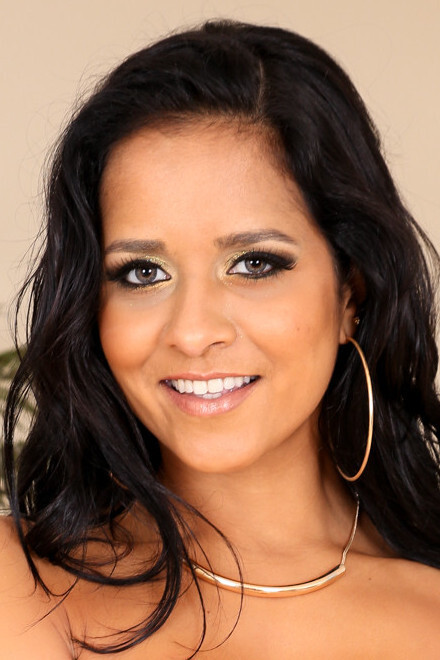
Abby’s portrait selection often relies on a close crop and a clear expression. In the yellow-and-green image, the surrounding foliage softens the background while the brighter clothing holds the foreground. A second, more neutral headshot puts the emphasis on a smile and the line of a simple necklace.
These differences create variety without elaborate props. Dark hair, warm-toned jewellery and uncluttered framing give the photographs a visual continuity, while changes in expression keep them from feeling interchangeable. The result is a portrait language built from small shifts, rather than one repeated pose.
When the camera format changes
Virtual reality brought another technical setting into Abby’s professional record. A production announcement described one project as being filmed in 3D and 6K. That detail points to work made for a different viewing format, extending beyond a conventional flat image on a screen.
The interest here lies in the production context rather than a list of technical specifications. A performer’s career can pass through changing tools and presentation methods while remaining centred on a human presence. Her later virtual-reality recognition sits within that broader story of working across more than one format.
The camera, the stage and the live moment
Modelling, recorded performance and live appearances each ask an audience to pay attention in a different way. Abby’s public career includes all three, with a guest livestream adding another setting to that range. The variety is part of her professional outline, not a single role stretched to cover everything.
A portrait holds one moment still. A stage appearance unfolds through movement and music. A live broadcast brings the possibility of immediate response. Considering those forms together gives her work a fuller shape, while leaving space for the distinct rhythm and atmosphere of each.